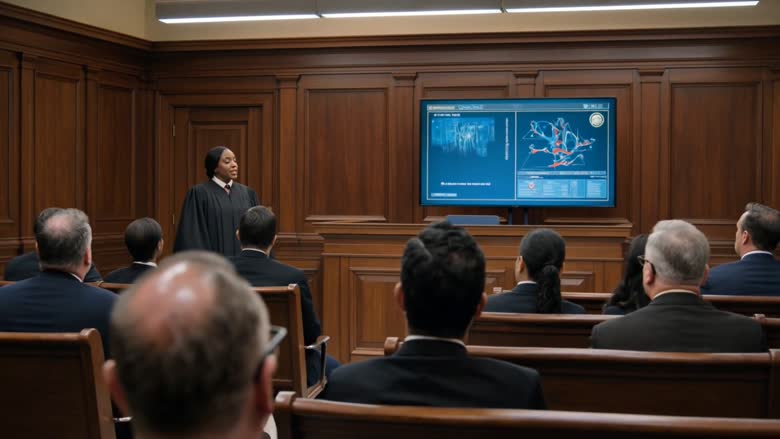
Research examines proceedings, records, procedures, and institutional practice to support judicial integrity, public understanding, and constitutional accountability.
Analysis
Constitutional analysis connects institutional practice with the source record. The work examines procedure, language, access, and the safeguards through which constitutional justice becomes real.
Examine proceedings and records in their procedural context.
Distinguish documented evidence from interpretation.
Connect findings with public education and institutional learning.
Reports
Clear reporting makes methods, source material, and findings understandable. Each report should show what was examined, how it was evaluated, and what the record supports.
Define the research question and the scope of review.
Document methods and distinguish findings from recommendations.
Preserve source references so readers can follow the analysis.
Court Profiles
Court profiles organize information about institutions, jurisdiction, procedures, and public access. They provide context for understanding how different court systems operate.
Identify court structure and the matters it handles.
Connect readers with official procedures and public information.
Describe institutional context without reducing justice to a single score.
Constitutional Observatory
The Constitutional Observatory brings research, public learning, and responsible technology to the study of constitutional justice, carrying America’s constitutional legacy forward into the next 250 years.
Explore Judiciary 250
The People’s Voice
Public legal education and guided self representation for meaningful participation in court.