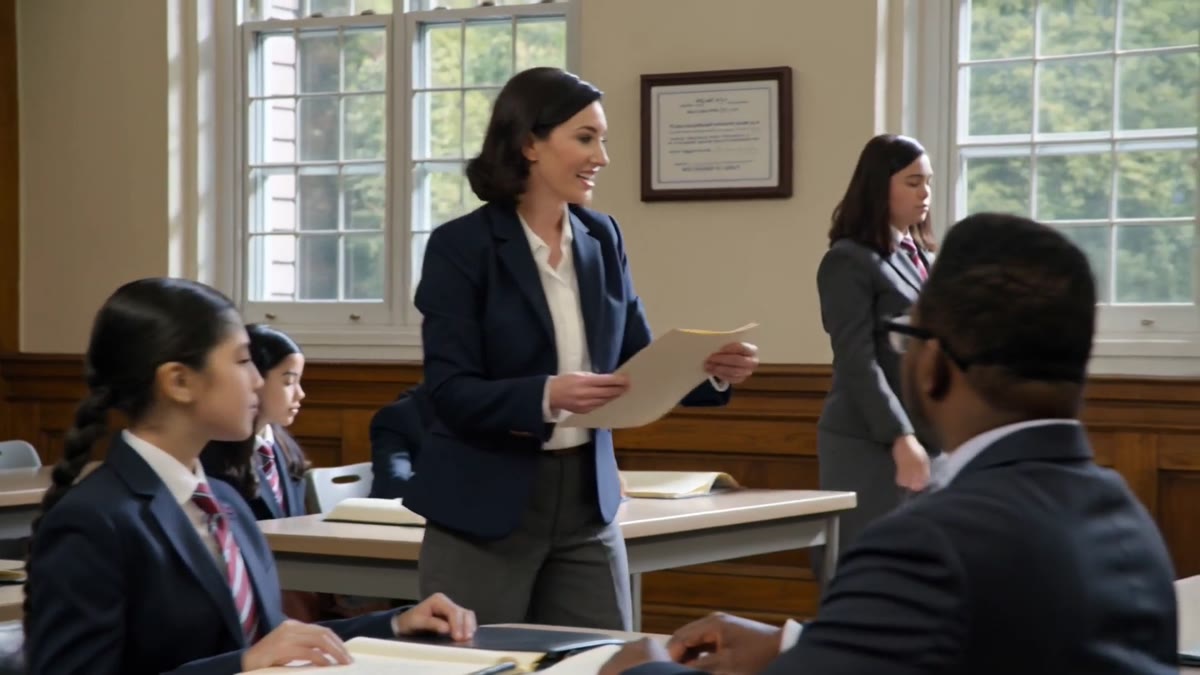
Public legal education and guided court preparation strengthen constitutional understanding, procedural literacy, and meaningful participation in American justice.
Pro Se Preparation
Organize the case chronology, documents, questions, and requested relief. Preparation brings the record into a form that is easier to understand and use.
Build a dated chronology and an indexed document collection.
Separate source records, personal notes, and questions for review.
Locate the court’s current filing instructions and hearing requirements.
Procedural Literacy
Understand the purpose of notice, service, evidence, hearings, orders, and review. Procedural literacy connects constitutional principles with the steps people encounter in court.
Identify the court, case type, and governing instructions.
Keep notices, filed documents, and entered orders in sequence.
Record questions and verify answers against official court materials.
Self Advocacy
Present facts clearly, preserve the record, and prepare focused questions. Meaningful participation depends on preparation, understanding, and a voice that can be heard.
Distinguish the facts, the supporting record, and the requested outcome.
Prepare concise questions and a clear outline for the proceeding.
Use Court Copilot to support organization and preparation on every side of a case.
Educational resources support preparation and understanding. Case specific questions should be checked against the governing court rules and qualified legal guidance.